How I use obsidian to learn
Evidence-based learning tips have never been easier to implement- did I mention that it’s free?

I think in the modern age we are spoiled for choice when it comes to the tools we have at our disposal for every task. When it comes to learning, there are millions of resources online that will explain even the most niche of topics in thousands of different ways. What’s even better is that we know so much about the science behind learning.
As much as I do appreciate that, sometimes it is overwhelming to try and consciously implement active recall, the Feynman technique and spaced repetition simultaneously. Obsidian helps me streamline it into a familiar process where I know I’m hitting all the key points. There are a million extras you can code into Obsidian but I keep it simple.
Obsidian is known for its ability to link notes together- essentially making one giant mind map. I recommend it strongly for most scientific disciplines where you have to remember processes. I do have friends in more humanity-based disciplines, liberal arts, philosophy, English and history who also find it useful to consolidate ideas.
And it looks cool too!
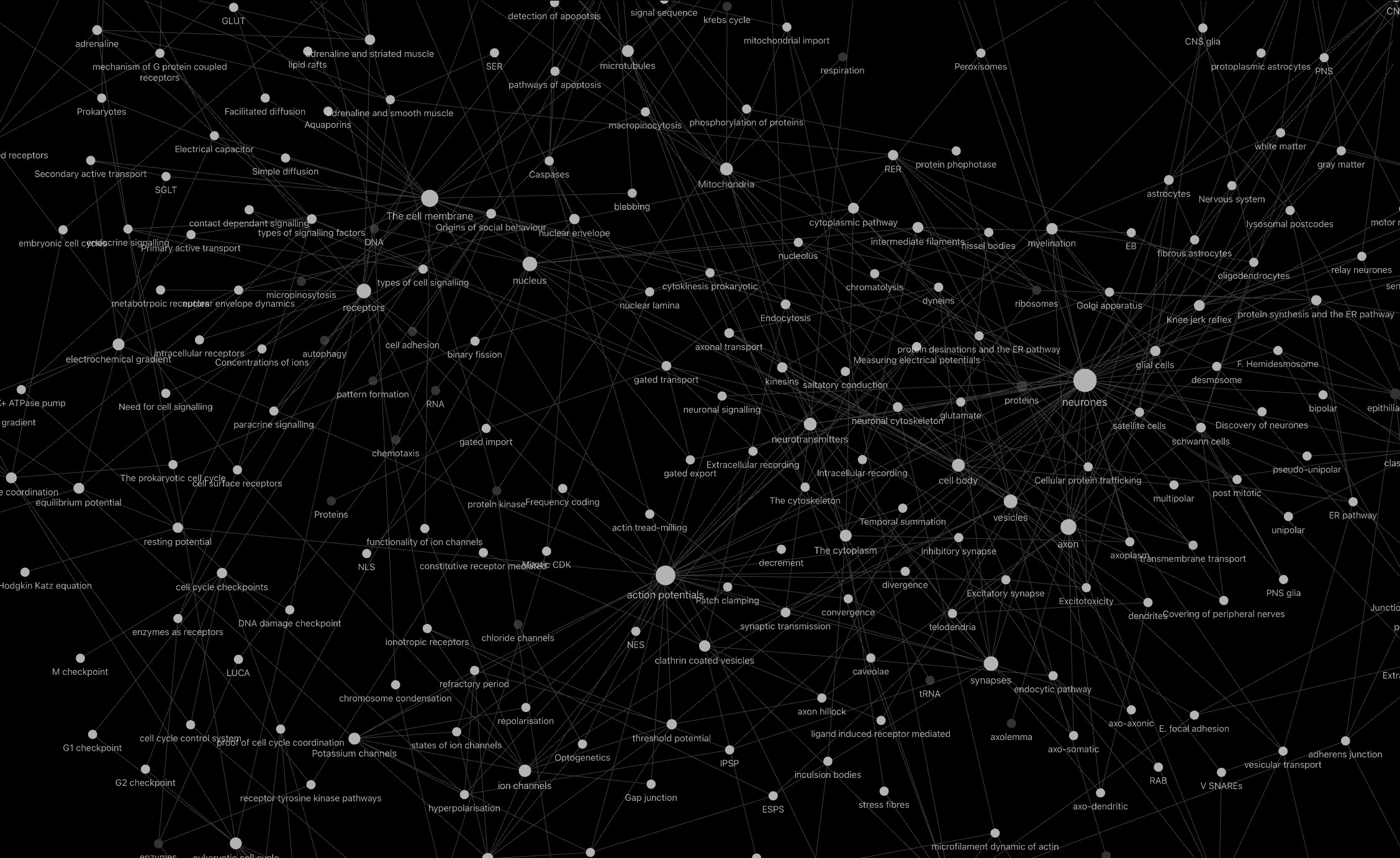
However, when people start, they often tell me they don’t know what to write for each note. So I’ve used my notes on apoptosis as an example.
The first note:
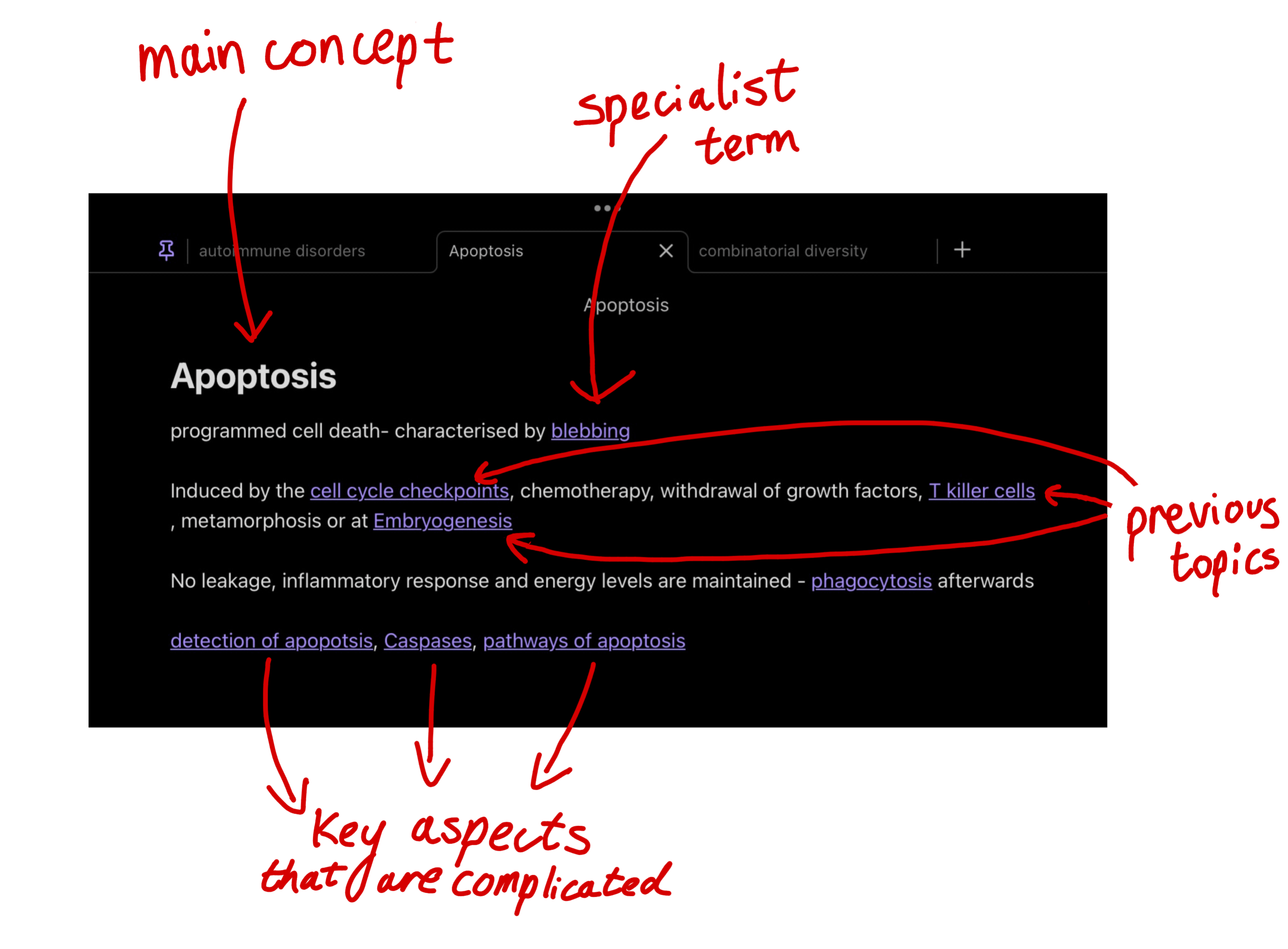
The key principle is to deconstruct the information into little bite-sized pieces. Remember that no concept is fully developed on its own, it requires some previous level of knowledge to build upon. Refining the ideas and understanding their context will help you apply and make new links between ideas to deepen your understanding. For instance: the more you understand about proteins, the more you will know about enzymes.
Conversion of “notes” into Obsidian files.
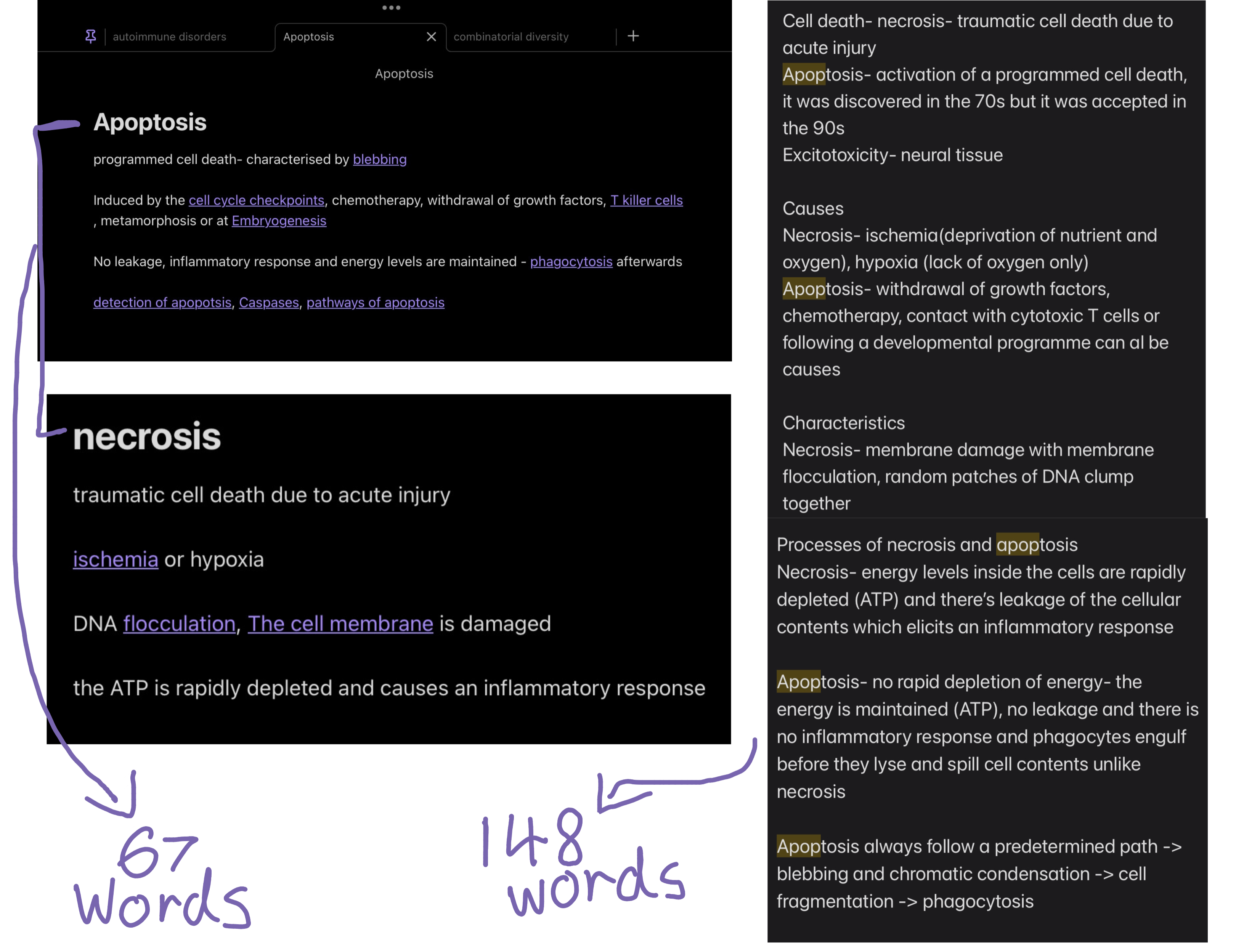
I give specialist terms, that I could easily forget the definition of, their own note. I always look for what past concepts are involved, even if not said exactly in the lectures. If I know that there’s another concept that I will be revising soon, I will cite the empty note.
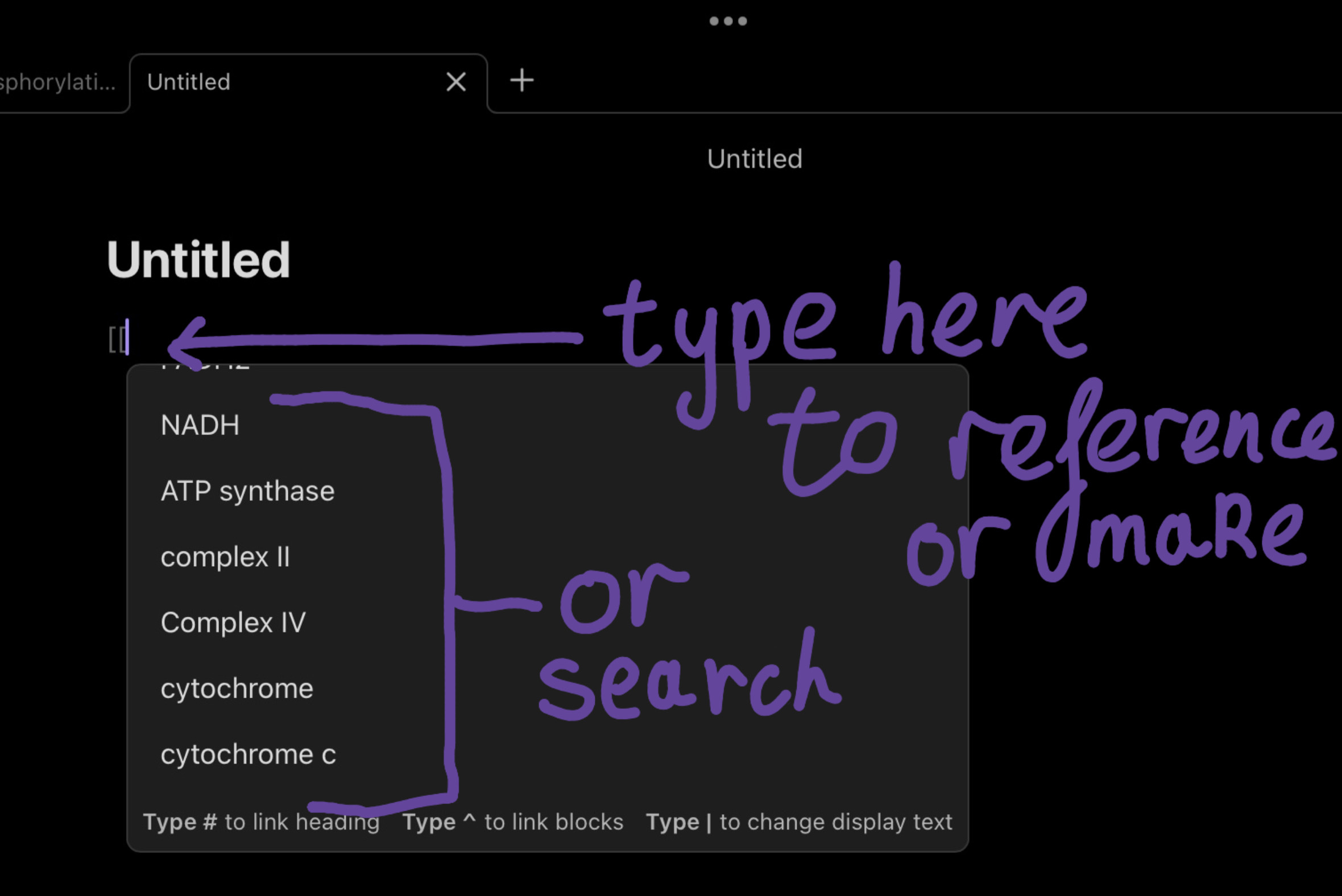
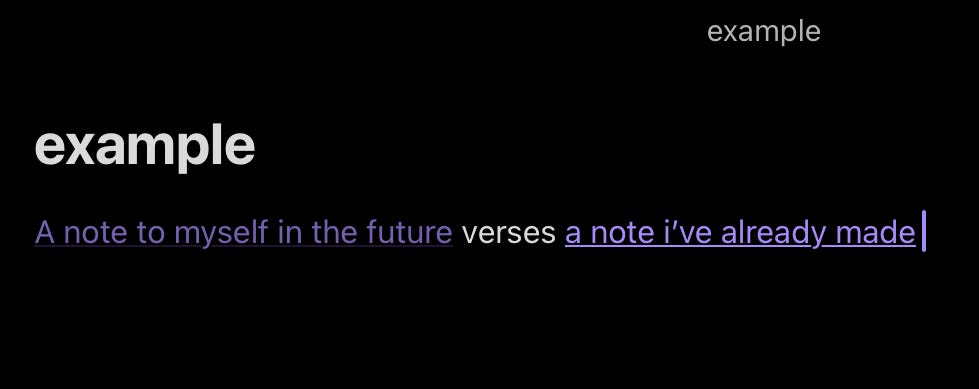
When a note is created, the link will be a lighter purple.
How does it apply to active recall? Well, I take basic notes during lectures, and I read the lecturer’s PowerPoint before writing anything, I try to write as much from memory as possible and then I fill in the gaps.
How does it apply the Feynman technique? Well, I start with the name of the main concept I want to learn after looking at my notes I see what are the main pillars I need to know to grasp the key information. As said previously everything is as simple as possible, as a rule of thumb you should never have to scroll down to read all of a note.
How does it apply to spaced repetition? Like I said, I learned it once in class and then again in obsidian. I do have to say that I use anki as supplementation but what I do is I will screenshot the notes, block out the key info and make those into flashcards which saves energy from making them directly.

I really hope this helps someone out there. Well, at the very least I don’t have to coach every friend that gets intrigued by what’s on my iPad screen.